PLEASE: The DBT Skill Parents Neglect First
Written by Dr. Anna Precht
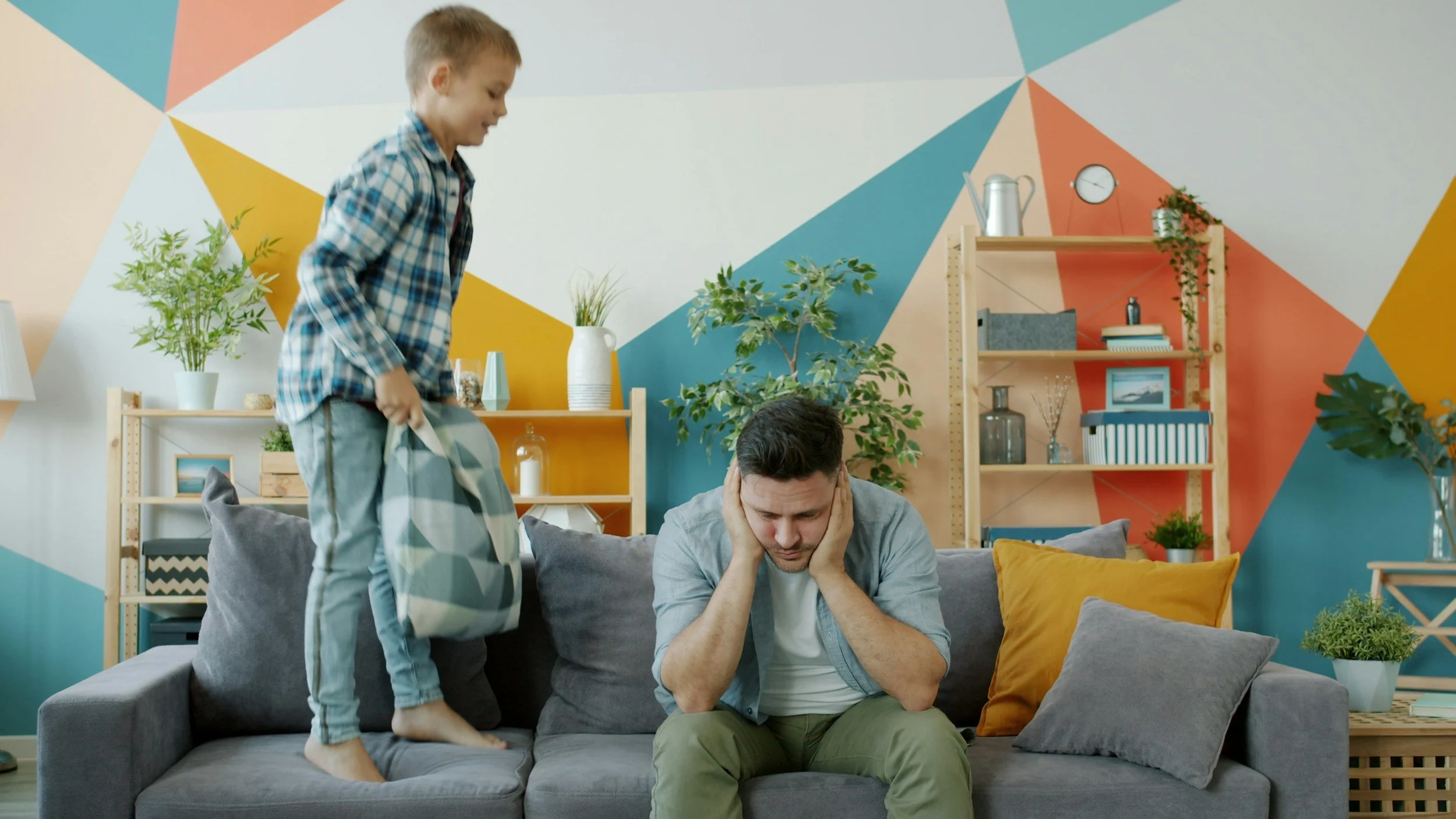
Up half the night with the kid who can’t sleep. You missed breakfast and the morning flew by spinning all the work and parenting plates. It’s now well past lunchtime and your stomach’s grumbling at you, so you grab a snack-size bag of something quickly from the vending machine on your way to your next task. Between yawns, you’re annoyed by everything. Drive home and everyone on the road is an idiot. Get home and you lose it when your kids do what they always do.
Parenting skills, including some from DBT, often focus on what to do when emotions or behaviors erupt: how to respond, how to communicate, what rewards to put in place. Other DBT skills teach how to regulate emotions when they’re in motion. All important stuff, to be sure. And there’s a cornerstone skill for emotion regulation that parents often neglect: Care of their bodies. As impossible as it can sometimes feel, it’s also profoundly necessary. The skill’s acronym is PLEASE.
Thanks for reading! Subscribe for free to receive new posts and support my work.
P – Treat Physical illness.
L – Limit mindless screentime.
E – Balanced Eating
A – Avoid mood-altering substances.
S – Balanced Sleep
E – Balanced Exercise
The idea is pretty straight-forward: When these things aren’t in place, you’ll be more vulnerable, and your emotions will hit you harder.
Why PLEASE Matters for Parents
You already know it for your kids. You know the toddler meltdowns when they missed a nap? Or the fourth-grade arguments before realizing they didn’t have snack? Or the teenage storms because they stayed up until 2am online? Same thing. Your body gets depleted and as a result, you’re skating on thin emotional ice. What wouldn’t ruffle your feathers on any other day is suddenly the straw that breaks you when you’ve been fighting a cold for the past two weeks.
We know that parents sacrifice for their kids all over the place; it’s part of the deal. You have less time. You’ve got other mouths to feed. The cost, though, of not taking care of your body (and therefore emotions) is high: Your mood suffers. You’re more prone to depression. You’re more likely to snap and yell. You’re more vulnerable to getting more sick or injured. And then feel worse and then inadvertently damage relationships and then feel even worse (and then have difficulty sleeping and eating and then are more vulnerable). It goes on and on.
The PLEASE skill is to intentionally get more solid footing so you can weather all the other things that come up.
PLEASE for Parents: What It Looks Like
P – Treat Physical Illness.
Parent example: You have chronic headaches but never schedule to see a doctor because there’s no time.
PLEASE skill: You book the appointment, take medication, and ask for support so you can rest.
Why it matters: Physical pain and illness lower frustration tolerance and increase emotional reactivity.
L – Limit mindless screentime.
Parent example: You’re exhausted and overwhelmed and want to just tune out; then hours go by of mindless doomscrolling. Your brain gets numb, your sleep interrupted, and you feel lousy about the time spent.
PLEASE skill: You put down the phone and do something that’s genuinely soothing or distracting when you’re overwhelmed.
Why it matters: Mindless scrolling impacts mood (even more so when everyone on social media looks like they’re living their best lives!), making you more prone to stress and sadness.
E – Balanced Eating
Parent example: You skip lunch, then snap at your child during homework.
PLEASE skill: Keep easy snacks in your bag, eat protein in the morning, and drink water throughout the day.
Why it matters: Blood sugar crashes look a lot like emotional dysregulation—and make it more likely.
A – Avoid Mood-Altering Drugs.
Parent example: You rely on alcohol every night because life is hard and you need a break… then feel more irritable and disconnected the next day.
PLEASE skill: You try alcohol-free evenings or reduce caffeine after noon.
Why it matters: Substances can intensify mood swings and disrupt sleep, which feeds emotional vulnerability.
S – Balanced Sleep
Parent example: You stay up late because it’s your only time to yourself, then wake up exhausted and impatient.
PLEASE skill: You choose one night a week to go to bed early, create a wind-down ritual, put a sleep hygiene plan in place.
Why it matters: Sleep deprivation is one of the strongest predictors of emotional dysregulation—for adults and kids.
E – Exercise
Parent example: Movement feels like a luxury, so your body feels tense and stuck.
PLEASE skill: You walk the dog, stretch on the floor with your child, or do five minutes of movement between tasks.
Why it matters: Movement metabolizes stress hormones and improves mood, improves sleep.
What PLEASE Is Not
It’s not perfection.
It’s not a rigid wellness plan.
It’s not another thing to feel guilty about.
Even small changes reduce emotional vulnerability.
A Realistic PLEASE Plan for Exhausted Parents
Instead of changing everything, pick one tiny shift:
Eat one real, balanced meal today.
Go to bed 15 minutes earlier.
Walk around the block once.
Make one medical appointment you’ve been postponing.
When you practice PLEASE, you’re not just helping yourself. You’re modeling emotional regulation for your child. You’re showing and teaching: “My body matters. My feelings matter.” You don’t need to be perfectly regulated to be a good parent. You do need a body that isn’t constantly pushed past its limits.
Start with one letter of PLEASE today. That’s enough.
Thanks for reading! Subscribe to Substack for free to receive new posts and support our work.